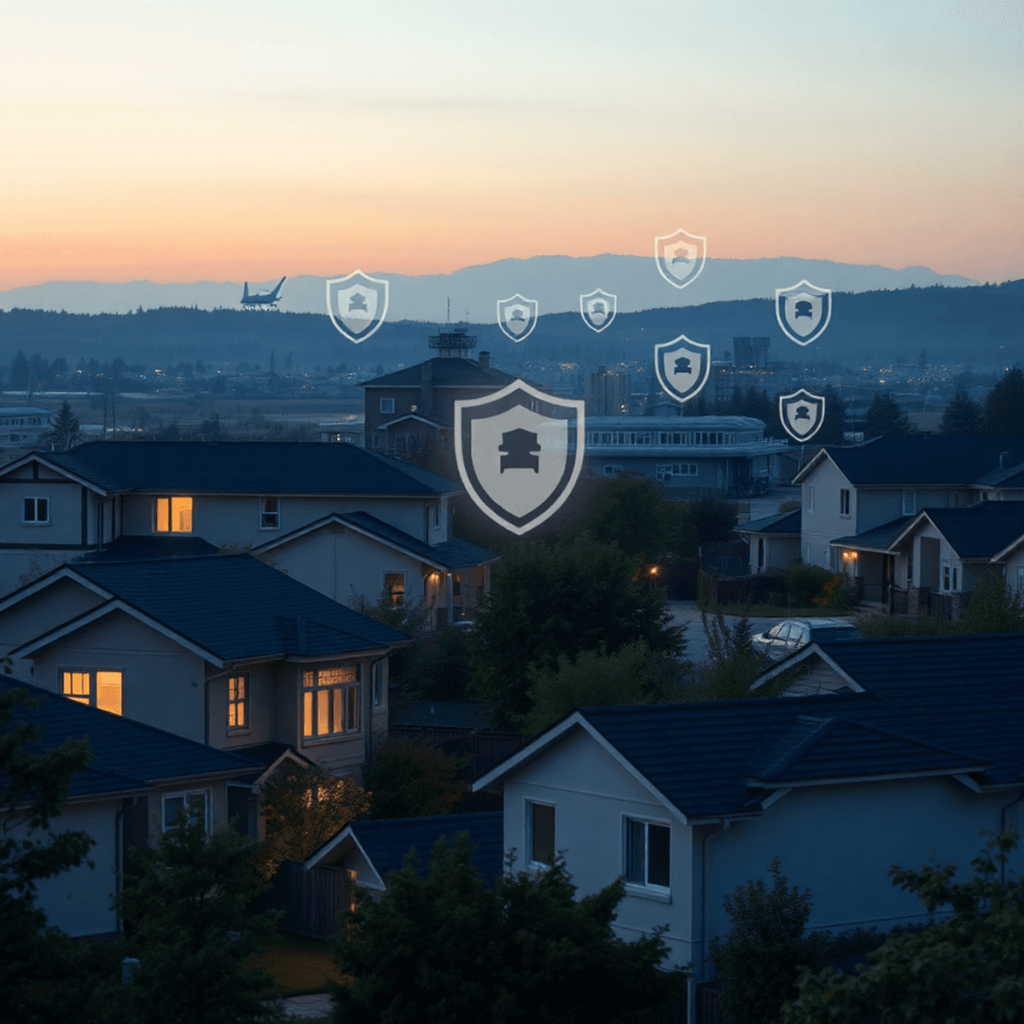
The landscape of temporary housing near military installations has shifted dramatically over the past decade. What was once dominated by traditional hotels and official military lodging has expanded to include a thriving market of short-term rentals. From furnished apartments in Triangle, Virginia near Marine Corps Base Quantico to private homes surrounding Fort Bragg, these accommodations have become increasingly popular among military personnel, government contractors, and defense industry professionals.
The appeal is understandable. You get more space than a hotel room, the privacy of a residential neighborhood, and often better value for extended stays. For a Marine attending training at Quantico or a defense contractor on a 60-day assignment, a fully furnished rental offers the comfort and functionality that makes temporary duty feel less disruptive.
But convenience comes with considerations that many renters don’t think about.
The proximity of these properties to sensitive military operations creates a unique security environment. Unlike civilian areas where the primary concerns might be property damage or noise complaints, rentals near military bases exist in a space where operational security, classified information, and national defense intersect with the civilian rental market.
The security risks aren’t always obvious. You won’t find them listed in property descriptions or mentioned during booking confirmations. They’re hidden in the very nature of how short-term rentals operate—the constant turnover of occupants, the limited vetting processes, the varied security standards from one property to the next. These factors create vulnerabilities that can affect not just the individuals staying in these accommodations, but potentially the security posture of nearby military installations.
Military personnel and government contractors face a reality that civilian travelers don’t: your temporary housing choice isn’t just about comfort and budget. It’s a decision that intersects with operational security protocols, information protection requirements, and the broader security ecosystem surrounding military bases.
This doesn’t mean short-term rentals near military bases are inherently dangerous or should be avoided. It means you need to approach them with awareness. Understanding the hidden security risks in short-term rentals near military bases allows you to make informed decisions, choose properties that prioritize security, and take appropriate precautions during your stay.
The growth of this market shows no signs of slowing. As more military families seek alternatives to on-base housing and as temporary duty assignments continue to bring personnel to installations across the country, the demand for short-term rentals in these areas will only increase. That makes understanding and addressing these security concerns more critical than ever.
Why Short-Term Rentals Near Military Bases Are So Popular
Military personnel, government contractors, and defense professionals have specific housing challenges when they are assigned to areas close to military bases. Traditional hotel rooms—with their small size, absence of kitchen facilities, and impersonal atmosphere—quickly become unsuitable for assignments lasting weeks or months. This reality has caused a significant shift towards corporate housing and furnished rentals as the preferred accommodation solution.
1. Privacy Matters
When you’re working on sensitive projects or need to relax after demanding training exercises, the last thing you want is the constant noise of hotel hallways or the presence of strangers in nearby rooms. Temporary housing options provide the privacy needed for military families and professionals who require a clear separation between work and personal life. You have your own entrance, your own walls, and the ability to maintain operational security in ways that hotel stays simply cannot match.
2. More Space to Live
A typical hotel room offers 300-400 square feet of living area. Compare that to a furnished rental near Quantico VA, where you’ll find:
- Full living rooms with comfortable seating arrangements
- Separate bedrooms that allow for proper rest
- Dedicated workspaces for remote duties or assignment preparation
- Complete kitchens that eliminate the need for constant restaurant meals
- In-unit laundry facilities that maintain uniform standards without hassle
3. Saving Money on Longer Stays
While nightly hotel rates might seem manageable for a few days, the math changes dramatically when you’re looking at 30, 60, or 90-day stays. Corporate housing typically offers better value for longer durations, especially when you consider the savings from preparing your own meals instead of relying on expensive restaurant dining or room service.
4. A Home Away from Home
Military families benefit from the residential nature of these accommodations. Children have space to play and study. Spouses can maintain some normalcy during PCS transitions or training assignments. You’re not confined to a single room where everyone’s schedules and needs collide. The ability to spread out and establish routines makes a substantial difference in quality of life during what can already be stressful periods.
5. Designed with Defense Professionals in Mind
Quantico Corporate Housing is an option that military personnel and government contractors look for when stationed near Marine Corps Base Quantico. Their properties are specifically designed with the needs of defense professionals in mind—not generic vacation rentals repurposed for business travelers. Each unit comes fully furnished with modern amenities, high-speed internet for secure communications, and the kind of professional maintenance standards you’d expect from purpose-built corporate housing.
6. Convenient Location
Properties situated minutes from base gates reduce commute times and allow for quick responses when duty calls. You’re not navigating unfamiliar areas or dealing with unpredictable traffic patterns that could make you late for formation or important meetings. The proximity to Quantico VA means you can maintain the same level of responsiveness you’d have in on-base housing while enjoying the additional space and privacy that temporary housing provides.
7. Flexible Lease Terms
Military assignments don’t always fit neatly into standard 12-month apartment leases or strict hotel booking policies. Corporate housing providers who specialize in serving military families understand the need for 30-day, 60-day, or custom-length stays that match assignment durations. You’re not stuck with long commitments or forced to extend hotel bookings at high rates when orders change.
8. Professional Management Matters
The difference between quality corporate housing and inconsistent experiences from general vacation rental platforms lies in professional management. When you choose established providers near military installations, you’re partnering with teams who understand security protocols, clearance requirements, and the specific needs of defense personnel
Unique Security Risks Posed by Short-Term Rentals Near Military Bases
The location of rental properties close to military bases presents a unique set of security risks that are different from typical residential concerns. When short-term rentals are within sight of sensitive military operations, they have the potential to become observation points for hostile individuals trying to gather information on troop movements, training schedules, or facility layouts.
The Issue with Proximity
Properties situated near installations like Marine Corps Base Quantico have specific weaknesses because of their proximity to classified activities. A rental unit located along a perimeter fence or with clear views into operational areas can unintentionally function as a surveillance platform. Adversaries don’t need to break into the base itself when they can watch patterns from the comfort of their living room.
The temporary nature of short-term rentals makes this risk even greater. Unlike permanent residents who establish predictable routines, the constant turnover of occupants makes it nearly impossible for security personnel to tell apart legitimate guests and individuals conducting reconnaissance. Someone renting a property for two weeks has plenty of time to observe security procedures, take pictures of infrastructure, and identify weaknesses without raising immediate suspicion.
Vulnerabilities Related to Unauthorized Access
Unauthorized access to sensitive information doesn’t always require physically breaking into secure facilities. Occupants of short-term rentals may come across military personnel in shared spaces, at local businesses, or through casual neighborhood interactions. These seemingly harmless encounters create opportunities for social engineering—a method where adversaries obtain sensitive information through conversation instead of hacking.
Here are some specific risks related to access:
- Shared network infrastructure: Many rental properties use standard consumer-grade Wi-Fi routers without enterprise-level security protocols, making them vulnerable to network intrusion attempts
- Proximity to military housing: Rentals located in neighborhoods next to base housing create opportunities for unauthorized individuals to blend in with legitimate military families
- Access to delivery and service personnel: The frequent turnover of guests means multiple individuals possess access codes, keys, or knowledge of property entry points
- Unsecured trash disposal: Sensitive documents or materials discarded by previous occupants may remain accessible to subsequent renters
Surveillance Risks in the Digital Age
Modern surveillance risks go beyond traditional methods of observation. Today’s adversaries use advanced technical collection capabilities that take advantage of the very amenities that make short-term rentals appealing to guests.
Smart home devices—thermostats, doorbell cameras, voice assistants—can be hacked to collect audio or video data. A rental property equipped with these conveniences might already have surveillance equipment installed by previous occupants or even malicious property owners. Military personnel discussing classified matters in what they believe is a private space may unknowingly transmit conversations to hostile listeners.
The rise of personal electronic devices creates additional points of vulnerability. Occupants connecting laptops, tablets, and smartphones to rental property networks may unintentionally expose sensitive data if the network has been compromised. Keystroke loggers, network sniffers, and other malware can be pre-installed on rental property systems, capturing everything from login credentials to classified email content.
Espionage Through Pattern Analysis
Foreign intelligence agencies don’t require direct access to classified information when they can construct comprehensive intelligence pictures through pattern analysis. Short-term rentals near military bases offer ideal locations for this type of collection:
- Traffic pattern monitoring: Observing when personnel arrive and leave from facilities can reveal operational tempo and readiness levels
- Communication pattern analysis: Monitoring the volume and timing of radio frequency emissions from base facilities can indicate increased activity
- Visitor documentation: Photographing vehicles entering and exiting installations helps identify contractors, vendors, and other support personnel
- Infrastructure mapping: Long-term observation allows adversaries to create detailed maps of base infrastructure
Challenges in Monitoring and Controlling Occupants of Short-Term Rentals
The rapid turnover inherent to short-term rental properties creates a fundamental challenge for property owners and security-conscious authorities. When guests cycle through accommodations every few days or weeks, establishing patterns of behavior becomes nearly impossible. Traditional neighborhood watch systems and community awareness—natural deterrents to suspicious activity—lose effectiveness when faces change constantly.
The High Turnover Problem
Property managers handling multiple short-term rentals near military installations face a logistical nightmare. Each new booking represents an unknown variable. You might have a legitimate defense contractor checking in on Monday, followed by a family on vacation Wednesday, and then another unknown guest on Friday. This constant flux makes it difficult to:
- Establish baseline behavior patterns for the property
- Build relationships with neighbors who might notice unusual activity
- Track who has keys or access codes at any given time
- Maintain accurate records of all occupants, including undeclared guests
The transient nature of these accommodations means that by the time a property owner identifies potentially concerning behavior, the occupant has often already checked out. This reactive rather than proactive approach to security monitoring leaves significant gaps in oversight.
Background Screening Disparities
Official military housing and government-contracted accommodations require extensive vetting processes. Service members and contractors living on base undergo comprehensive background checks that examine:
- Criminal history at federal, state, and local levels
- Financial records and credit history
- Employment verification and security clearances
- References from previous commands or employers
- International travel history and foreign contacts
Short-term rental platforms typically conduct minimal screening. Many rely solely on government-issued ID verification and payment method confirmation. Some platforms perform basic criminal background checks, but these often only scratch the surface compared to military-grade vetting. The screening might miss:
- Recent suspicious activities not yet reflected in criminal databases
- Foreign intelligence connections or affiliations
- Financial vulnerabilities that could make someone susceptible to coercion
- Previous security violations or clearance denials
This disparity creates a two-tiered system where individuals who might not qualify for base housing can easily secure accommodations just outside the gate. You’re essentially trading comprehensive security protocols for convenience and flexibility.
The Anonymous Guest Phenomenon
Platform-based bookings add another layer of complexity to occupant monitoring. When someone books through a third-party service, property owners often receive limited information about their guests. The booking might show:
- A username rather than a full legal name
- A profile photo that may be outdated or inaccurate
- Minimal biographical information
- No employment details or purpose of visit
This anonymity makes it challenging for property managers to conduct even basic due diligence. Unlike corporate housing providers who maintain direct relationships with their clients, platform-based rentals create distance between the property owner and the actual occupants.
Multiple Occupant Complications
Short-term rental listings typically specify a maximum occupancy, but enforcing these limits proves difficult. The person who makes the reservation might not be the primary occupant. Additional guests may arrive after check-in without the property owner’s knowledge. This creates scenarios where:
- Unvetted individuals gain access to properties near sensitive installations
- The actual number of people with knowledge of the property’s layout and security features exceeds records
- Subletting or unauthorized sharing occurs without detection
- Guest lists become unreliable for security investigations
Technology Limitations in Occupant
Operational Security (OPSEC) Concerns for Military Personnel Using Short-Term Rentals
Military personnel face unique challenges when occupying short-term rentals near bases, particularly regarding the protection of sensitive information. The casual nature of temporary housing environments creates scenarios where OPSEC protocols can easily break down without proper vigilance.
The Risks of Informal Living Environments
Short-term rentals lack the structured security culture present on military installations. You might find yourself sharing walls with neighbors who rotate frequently, creating an environment where conversations about work, deployments, or operations can be overheard. The thin walls common in many rental properties amplify this risk—what feels like a private phone call in your bedroom might be clearly audible to the occupant next door.
Information sharing happens in ways you might not immediately recognize:
- Leaving deployment schedules visible on kitchen calendars or refrigerators
- Discussing classified projects during video calls in shared outdoor spaces
- Storing sensitive documents in unlocked home offices or vehicles parked in open driveways
- Using unsecured Wi-Fi networks provided by landlords to access military systems
- Disposing of work-related materials in shared trash bins without proper shredding
The transient nature of these accommodations creates a false sense of anonymity. You might assume that because you’re only staying for a few months, your presence won’t attract attention. This assumption proves dangerous when adversaries specifically target areas near military installations, knowing that personnel frequently occupy these properties.
Comparing Security Standards
Official military housing operates under strict security frameworks that simply don’t exist in the private rental market. On-base housing includes:
- Controlled access points with identification verification
- Regular security patrols and surveillance systems
- Neighbors who understand and practice OPSEC protocols
- Secure document disposal facilities
- Encrypted internet connections
- Clear reporting chains for suspicious activity
Private short-term rentals offer none of these protections by default. You’re responsible for creating your own security perimeter, yet many service members receive minimal training on maintaining OPSEC in off-base environments. The contrast becomes stark when you consider that a conversation about unit movements held in base housing occurs within a secured perimeter, while the same discussion in a rental property happens in an uncontrolled environment.
Inadvertent Disclosures Through Daily Routines
Your daily patterns can reveal sensitive information without you speaking a word. Consistent departure times, the presence of military vehicles in driveways, uniforms visible through windows, or even the delivery of military-related packages all create intelligence opportunities for those watching.
Inadvertent disclosures occur through:
- Social media posts that tag locations near sensitive facilities
- Trash that contains military correspondence or documents
- Conversations with property managers about deployment schedules
- Visible military gear or equipment stored in garages or patios
- License plates that identify vehicles as government-owned
- Routine movements that establish predictable patterns
The temporary nature of your stay might lead you to relax security practices you’d maintain in permanent housing. You tell yourself it’s only for 90 days, so the risk seems minimal. This mindset creates exactly the vulnerability that intelligence gatherers exploit.
The Training Gap
Most OPSEC training focuses on behavior within military facilities or during official operations. You receive extensive briefings about protecting information at work, but guidance on maintaining security in private housing remains limited. This gap leaves you unprepared for the specific challenges of living in civilian accommodations near military installations.
You need to recognize that your rental property becomes an extension of the operational environment. The same discipline you apply to handling classified materials at work must extend to your living space. This
Gaps in Physical Security Measures at Short-Term Rental Properties
Military installations have robust security measures in place to protect their personnel, assets, and sensitive information. These measures include various layers of defense such as fences, armed guards, vehicle inspections, badge systems, and constant surveillance. When you enter a military base, your identity is verified and your authorization is confirmed at controlled access points.
Short-term rental properties near military bases have a very different security setup. The difference becomes obvious as soon as you arrive at a typical rental property. Instead of seeing guards and security checkpoints, you might come across a simple lockbox with keys or receive a digital code via text message. This difference in procedure highlights a significant weakness in security measures that could put you at risk.
The Reality of Visitor Controls in Private Rentals
Military housing facilities have strict rules for visitors that require guests to register, show identification, and get explicit permission before entering. Security personnel keep track of who comes and goes, creating a system that discourages unauthorized access.
Private short-term rentals rarely have similar systems in place. You might be sharing the rental property with:
- Previous guests who still have copies of access codes
- Cleaning staff who have unrestricted access to the keys
- Maintenance workers who enter without prior notice
- Property owners who reserve the right to show the unit to potential buyers or renters
- Neighbors who are familiar with the property’s access patterns from previous short-term occupants
The lack of formal visitor management creates blind spots. You won’t know who has been inside the property before you arrived, and you can’t control who might gain entry during your stay. While property owners usually change door codes between guests, this practice isn’t consistent or standardized across the short-term rental industry.
Inadequate Property Inspections and Security Assessments
Military housing undergoes regular inspections that assess physical security features, identify weaknesses, and ensure compliance with defense security standards. These inspections look at various aspects such as door locks, window security, lighting, and sight lines that could enable surveillance.
Short-term rental properties are typically inspected for basic living conditions, adherence to building codes, and visual appeal. Security assessments, if they happen at all, tend to be superficial. Property managers check if locks work and smoke detectors are functioning but don’t evaluate:
- Whether windows can be secured against forced entry
- If exterior lighting effectively deters unauthorized access
- Whether the property’s location makes it susceptible to being watched from nearby buildings
- If smart home devices could be hacked to monitor occupants
- Whether previous guests installed hidden cameras or recording devices
You’re essentially relying on the assumption that the property meets security standards without any official verification process. The property may appear safe at first glance, but looks can be deceiving when it comes to technical vulnerabilities or advanced surveillance equipment.
Limited Surveillance and Monitoring Systems
Base housing has surveillance cameras, motion sensors, and alarm systems that are monitored by trained security personnel who know how to respond to threats. These systems create recorded evidence of activities and send immediate alerts when suspicious behavior occurs.
Short-term rentals may have basic security cameras at entry points but these systems primarily focus on protecting the property rather than ensuring the safety of its occupants. The cameras often:
- Store footage on cloud services with unclear data retention policies
- Lack encryption or secure authentication methods
- Allow property owners and their staff to access the recordings
- Provide no monitoring or alert features
- Raise privacy concerns instead of enhancing security
Many properties don’t have any surveillance systems whatsoever. You might come across a Ring doorbell that allows the owner to view remotely, but there’s no comprehensive security monitoring in place to detect unauthorized entry attempts or suspicious activity around the property.
Perimeter Security Deficiencies
Military installations maintain secure perimeters with controlled entry points and barriers designed to prevent unauthorized access.
Short-term rental properties often lack similar perimeter security measures. Depending on the location and layout of the property, potential vulnerabilities could exist such as:
- Unfenced yards or open spaces where intruders can easily approach
- Weak points in fencing or gates that can be bypassed
- Proximity to public areas or streets where outsiders can observe movements
- Lack of signage indicating private property or restricted access
These deficiencies create opportunities for criminals or unwanted individuals to approach the rental without detection.
Understanding the Risks: What Can Go Wrong?
The gaps in physical security measures at short-term rental properties expose guests like you to various risks during your stay:
- Burglary: Weaknesses in visitor controls and inadequate property inspections make it easier for thieves to enter undetected.
- Vandalism: Without proper surveillance systems in place, acts of vandalism may go unnoticed until they directly affect your experience.
- Privacy Invasion: Technical vulnerabilities such as compromised smart home devices or hidden cameras pose threats to your personal privacy.
- Unauthorized Access: Previous guests retaining copies of access codes or cleaning staff having unrestricted key access could lead to uninvited individuals entering while you’re present.
- Surveillance: Adjacent buildings observing activities through unsecured windows can compromise both safety and confidentiality during sensitive discussions.
Being aware of these risks empowers you as a guest when choosing accommodations—prioritizing properties that prioritize physical security measures alongside comfort amenities will help ensure peace-of-mind throughout your travels.
Mitigating Risks: What You Can Do
While it’s essential for property owners/managers/hosts themselves take responsibility for implementing effective physical security measures; there are also steps guests can take proactively mitigate potential risks:
- Research Before Booking: Look beyond just reviews focusing solely cleanliness/location/amenities; delve into details regarding existing safety protocols such as lock types/camera placements/exterior lighting features etc.
- Communicate With Hosts: Don’t hesitate reach out prospective hosts inquire about specific concerns regarding existing protective mechanisms—this demonstrates interest & encourages transparency.
- Inspect Upon Arrival: Once checked-in conduct thorough walkthrough assessing overall condition including doors/windows/surveillance equipment etc.; report any discrepancies immediately.
- Practice Personal Safety Measures: Always secure entrances/lock valuables out-of-sight avoid discussing travel plans openly especially within shared spaces (e.g., pools/lobbies) where eavesdropping may occur.
- Utilize Technology Wisely: If possible leverage smart home capabilities (e.g., motion sensor lights) enhance deterrence factor while being mindful privacy implications associated certain devices (e.g., Ring).
By taking these proactive steps; you empower yourself minimize exposure potential threats ensuring enjoyable stay regardless external circumstances surrounding lodging arrangement!
Community and Local Authority Roles in Mitigating Security Risks Associated with Short-Term Rentals Near Military Bases
The responsibility for addressing hidden security risks in short-term rentals near military bases extends beyond individual property owners. A multi-layered approach involving professional management, local authorities, and engaged communities creates the most effective defense against potential threats.
The Critical Role of Professional Property Management Companies
Property management companies specializing in corporate housing near bases serve as the first line of defense in maintaining secure accommodations. These organizations bring structure, accountability, and expertise that individual landlords or casual rental hosts often lack.
Quantico Corporate Housing exemplifies this professional approach. Unlike generic rental platforms where anyone can list a property, specialized corporate housing providers implement comprehensive security protocols:
- Thorough tenant screening processes that verify employment and references
- Detailed property inspections before and after each occupancy
- Established relationships with local law enforcement and military liaison offices
- Documented procedures for reporting suspicious activities
- Regular property maintenance that prevents security vulnerabilities from developing
Professional management companies maintain consistent communication channels with tenants. This ongoing dialogue creates opportunities to identify concerns early, answer questions about local security protocols, and reinforce awareness about operational security. You benefit from having a dedicated point of contact who understands both the unique needs of military personnel and the security landscape surrounding installations.
The difference becomes apparent when comparing managed corporate housing to individual short-term rental listings. A professional company has invested resources into understanding the security requirements specific to military communities. They recognize that a rental property near Quantico Marine Corps Base demands different considerations than a vacation home in a tourist district.
Local Support Systems and Community Infrastructure
Local support networks form an essential component of security around military installations. Communities near bases like Quantico have developed unique awareness of security concerns through decades of proximity to military operations.
Established property management companies integrate into these local support systems. They participate in community meetings, maintain relationships with neighborhood watch programs, and coordinate with local business associations. This integration creates information-sharing networks that help identify unusual patterns or concerning behaviors.
You gain significant advantages when choosing accommodations managed by companies embedded in the local community. These providers understand regional security dynamics, know which neighborhoods maintain higher vigilance, and can quickly mobilize local support if situations arise requiring immediate attention.
Active Monitoring by Local Authorities
Law enforcement agencies in communities surrounding military bases maintain heightened awareness of rental activities. Many jurisdictions have implemented specific ordinances governing short-term rentals near sensitive installations.
Local police departments often work directly with property management companies to:
- Verify tenant information when requested
- Conduct periodic welfare checks on rental properties
- Respond quickly to reports of suspicious behavior
- Share intelligence about potential security threats in the area
- Provide guidance on best practices for property security
These partnerships function most effectively when property managers maintain professional relationships with local authorities. A company like Quantico Corporate Housing, with established local presence and reputation, can facilitate faster response times and more comprehensive support than individual property owners operating independently.
Community Vigilance as a Security Layer
Residents living near military installations often possess heightened security awareness. Long-term neighbors notice when rental properties experience unusual activity, unfamiliar vehicles appear repeatedly, or occupants behave in ways inconsistent with typical military personnel or contractors.
This community vigilance serves as an informal but valuable security mechanism. Neighbors who recognize the property management company’s vehicles and staff can distinguish between legitimate activity and potential concerns. They know who to contact when something seems amiss.
Professional property management companies cultivate these community relationships deliberately. They:
- Introduce themselves to neighboring residents
- Provide contact information for reporting concerns
- Respond promptly to neighbor inquiries or complaints
- Maintain properties to neighborhood standards
- Screen tenants thoroughly
Best Practices for Military Personnel and Contractors When Choosing Short-Term Rentals Near Bases
When you’re looking for a place to stay near a military base, your choice of accommodation can greatly impact your safety and effectiveness in carrying out your duties. It’s important to carefully consider various factors beyond just convenience or cost when making this decision.
Vetting Corporate Housing Providers
Research the company’s background and reputation. You need to verify how long they’ve been operating in the area and whether they specialize in serving military and government clients. Companies like Quantico Corporate Housing that focus specifically on defense personnel understand the unique security requirements you face. Check their online presence, read reviews from other military members, and ask for references from previous government contractors or service members who’ve used their properties.
Examine their property management practices. Trusted providers maintain detailed records of all occupants, implement consistent security protocols across their properties, and respond quickly to maintenance or security concerns. You should ask potential providers about their screening processes, how they handle property access, and what measures they take to protect tenant privacy.
Verify their proximity claims. Some rental companies advertise properties as “near base” when they’re actually 30-45 minutes away in heavy traffic. Request exact addresses and verify commute times during peak hours. Properties genuinely close to installations like Marine Corps Base Quantico offer both convenience and reduced exposure during your daily commute.
The Security Advantages of Longer-Term Leases
Lease options favoring longer terms over shorter ones for stability purposes provide significant security benefits that many military personnel overlook. When you commit to a 3-6 month lease instead of week-to-week arrangements, you create a more secure living environment for yourself.
Longer occupancy periods mean:
- Property managers develop familiarity with you and your routine, making it easier to identify unusual activity
- Neighbors recognize you as a regular resident rather than a transient visitor
- You have time to properly secure your living space and establish trusted relationships with local contacts
- Background screening processes are more thorough for extended stays
- The property attracts fewer high-turnover occupants who might pose security risks
Stable occupancy patterns allow property owners to maintain better oversight. When you’re not part of a constant rotation of new faces, management can invest more attention in understanding their tenants’ legitimate needs. This relationship creates a security buffer that weekly rentals simply cannot provide.
Evaluating Physical Security Features
You need to assess the actual security infrastructure before signing any lease. Walk the property during your initial viewing and look for specific elements:
Access control systems should include secure locks on all entry points, preferably with keyless entry systems that create audit trails. Properties with shared entrances need controlled access that prevents unauthorized individuals from entering the building.
Lighting and visibility around the property matter significantly. Well-lit parking areas, entrances, and common spaces deter potential threats and make it easier for you to identify suspicious activity.
Surveillance capabilities vary widely among rental properties. While you shouldn’t expect base-level security cameras, reputable corporate housing providers often install basic monitoring systems in common areas and parking facilities.
Understanding Privacy Protections
Your sensitive work requires accommodations that respect operational security. When evaluating providers, ask direct questions about their data handling practices:
- How do they store your personal information and rental agreements?
- Who has access to records showing your occupancy dates and employment details?
- What policies govern their staff’s discretion regarding tenant information?
- Do they share occupant data with third-party platforms or marketing services?
Professional corporate housing companies serving military clients understand these concerns and implement appropriate safeguards. Generic vacation rental platforms often lack these protections entirely.
Conclusion
The convenience of short-term rentals near military installations presents undeniable advantages for service members, contractors, and government professionals. You gain access to comfortable, private spaces that often surpass hotel accommodations in both amenities and cost-effectiveness. Yet this convenience cannot overshadow the very real hidden security risks in short-term rentals near military bases that demand your attention and proactive measures.
Your choice of accommodation directly impacts not just your personal safety but potentially the security of sensitive operations and fellow military personnel. The transient nature of these properties, combined with their proximity to strategic installations, creates vulnerabilities that adversaries may exploit. You cannot afford to treat housing decisions as purely logistical matters when operational security hangs in the balance.
Balancing convenience with necessary precautions when it comes to renting out spaces located near sensitive locations such as army camps requires a deliberate, informed approach:
- Prioritize established providers with proven security protocols and military clientele
- Verify physical security measures before signing any lease agreement
- Maintain strict OPSEC practices regardless of your living situation
- Report suspicious activities to appropriate authorities without delay
- Choose longer-term arrangements that enable better vetting and oversight
The responsibility extends beyond individual renters. Property management companies operating near military bases must recognize their role in national security. Local communities and authorities serve as critical partners in monitoring and reporting potential threats. This collaborative approach strengthens the security ecosystem surrounding military installations.
You deserve housing that meets your practical needs without compromising security standards. Reputable corporate housing providers like Quantico Corporate Housing demonstrate that these goals aren’t mutually exclusive. Their focus on professional management, thorough vetting processes, and stable, longer-term occupancy patterns addresses many of the vulnerabilities inherent in traditional short-term rental models.
The threat landscape continues evolving. Foreign intelligence services and adversarial actors constantly seek new avenues to gather information and compromise military operations. Your vigilance in selecting secure accommodations and maintaining operational security awareness serves as a critical defense layer.
Take ownership of your housing security. Ask questions about screening procedures, access controls, and emergency protocols. Inspect properties for surveillance vulnerabilities. Trust your instincts when something feels off. Your training and experience in identifying threats apply equally to your living arrangements as they do to your professional duties.
The growing popularity of short-term rentals near military bases shows no signs of slowing. This reality makes security awareness not optional but essential. You can enjoy the benefits these accommodations offer while simultaneously protecting yourself, your mission, and your fellow service members. The key lies in making informed decisions, choosing trusted providers, and never allowing convenience to override security considerations.
Your housing choice matters. Make it count.