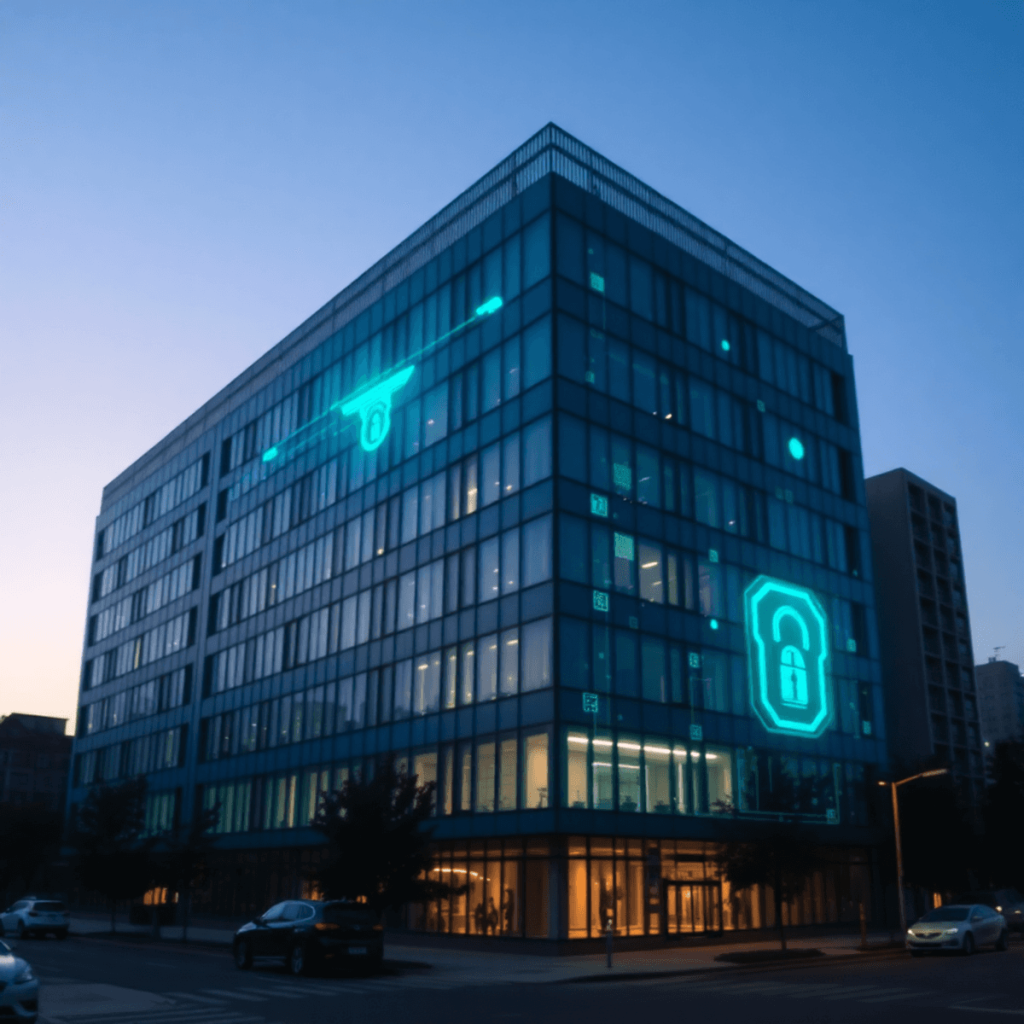
Security isn’t just a checkbox anymore—it’s become the foundation of what makes corporate housing truly livable in 2026.
I’ve watched the corporate rental landscape transform dramatically over the past few years. What used to be simple concerns about door locks and smoke detectors has evolved into a comprehensive ecosystem of corporate rental security 2026 measures that would have seemed like science fiction just a decade ago. The professionals I work with—government contractors, military personnel on temporary duty, FBI Academy trainees, and defense industry executives—aren’t just looking for a place to sleep. They’re searching for peace of mind corporate housing that protects their privacy, their belongings, and their sensitive work.
The stakes have changed. When you’re managing classified information, coordinating multi-million dollar contracts, or transitioning your family during a permanent change of station, your temporary housing becomes an extension of your professional security perimeter. You can’t afford vulnerabilities in your living space any more than you’d accept them in your workplace.
This shift reflects broader changes in how we think about temporary accommodations. Corporate travelers in 2026 expect their rental properties to integrate the same advanced security technologies they encounter in modern office buildings and secure facilities. The gap between “good enough” and “genuinely secure” has widened, and professionals who understand operational security can spot the difference immediately.
In this article, I’ll walk you through the evolving security landscape of corporate rentals. You’ll discover how cutting-edge technology is reshaping what’s possible in rental property security, from biometric access controls to AI-powered surveillance systems. We’ll examine the unique security requirements that set corporate housing apart from traditional hotels and vacation rentals, explore insurance innovations that protect both property owners and tenants, and look at practical steps you can take to ensure your next corporate rental meets the security standards your assignment demands.
The question isn’t whether security matters in corporate housing—it’s whether your current or future rental can deliver the protection you need to focus on your work instead of worrying about your home base.
Understanding the Unique Security Needs of Corporate Rentals
The world of corporate housing security near Quantico requires a specialized approach that goes far beyond standard residential safety measures. When you’re dealing with professional tenants who handle sensitive information daily, security becomes a non-negotiable priority rather than a simple amenity.
Who Occupies Corporate Rentals Near Quantico?
The types of people who rent corporate housing in the Quantico area are some of the most security-conscious professionals in the country:
1. Military Personnel on Assignment
Active-duty service members stationed at Marine Corps Base Quantico often need temporary housing during training rotations, permanent change of station (PCS) moves, or temporary duty assignments (TDY). These individuals frequently work with classified materials and have security clearances that require them to be extra cautious even in their personal living spaces.
2. Government Contractors and Federal Consultants
Defense contractors working with agencies like the FBI Academy or Department of Defense facilities need accommodations that respect the confidential nature of their work. These professionals require secure spaces for remote work, protected storage for sensitive documents, and environments where they can conduct video conferences without worrying about unauthorized access or surveillance.
3. Federal Law Enforcement Personnel
FBI trainees and instructors at the FBI Academy in Quantico represent another significant segment. These professionals undergo thorough background checks and follow strict operational security protocols that extend into their housing choices.
4. Corporate Executives and Relocating Professionals
Senior executives overseeing government contracts or managing defense industry operations require housing that protects both their personal safety and their professional confidentiality. These individuals often handle proprietary information worth millions of dollars.
The Critical Nature of Security for Military and Government Personnel Housing
The security needs for these professional tenants go beyond typical residential concerns. You’re not just worried about package theft or break-ins—though those matter too. The stakes involve:
1. Protection of Classified Information
Many corporate rental occupants work from their temporary housing, accessing secure networks and handling materials that require specific security protocols. If their living space is compromised, it could lead to a compromised security clearance or worse.
2. Personal Safety Considerations
Military and law enforcement personnel may face unique personal security risks based on their professional roles. Their housing needs to provide a secure retreat where they can relax without constantly keeping an eye on their surroundings.
3. Operational Security (OPSEC) Requirements
Government contractors and military personnel are trained to maintain operational security at all times. Their housing must support these practices through features like:
- Secure entry points that can’t be easily bypassed
- Privacy from external observation
- Controlled access that prevents unauthorized entry
- Secure package delivery systems
- Protected parking areas
How Corporate Housing Security Differs from Hotels and Short-Term Rentals
Traditional hotels have specific vulnerabilities that make them unsuitable for extended stays by security-conscious professionals. Hotel environments involve:
- Constant foot traffic through shared corridors
- Master key systems accessible to numerous staff members
- Shared walls with unknown neighbors who change daily
- Limited control over who accesses adjacent rooms
- Public spaces that make surveillance easier
- Housekeeping staff entering rooms on regular schedules
Short-term vacation rentals create different but equally concerning security gaps. You’re often dealing with:
- Inconsistent security standards across properties
- Unknown numbers of previous key holders
- Lack of professional security vetting
- Minimal oversight of property access
- Inadequate documentation of who has entered the property
- Smart locks with potentially compromised access codes
Professional corporate housing security addresses these vulnerabilities through purpose-built solutions. When you choose properly managed corporate housing, you get:
Dedicated Access Control You’re
Advanced Security Technologies Enhancing Corporate Rentals in 2026
The world of corporate rental security has changed dramatically. You’re no longer limited to basic deadbolts and standard alarm systems. The integration of cutting-edge technology into corporate housing has created environments where security operates seamlessly in the background, protecting you without constant intervention.
Smart Surveillance Systems for Comprehensive Monitoring
360-degree surveillance has redefined how corporate rentals approach property security. These advanced camera systems eliminate blind spots that traditional security cameras leave vulnerable. When you’re staying at a professionally managed property near Quantico, you benefit from surveillance technology that monitors entry points, parking areas, and common spaces simultaneously.
The smart security cameras deployed in modern corporate rentals operate on entirely different principles than their predecessors. These systems use artificial intelligence to distinguish between routine activity and potential security concerns. You receive alerts only when the system detects genuine anomalies—not every time a delivery driver approaches the door or a neighbor walks past.
Real-time monitoring capabilities give you unprecedented control over your living environment. Through secure mobile applications, you can:
- View live feeds from multiple camera angles
- Review recorded footage from specific time periods
- Receive instant notifications of unusual activity
- Grant or deny access to service providers remotely
- Verify the identity of visitors before opening your door
The privacy considerations built into these systems reflect the sophisticated needs of government contractors and military personnel. Cameras focus on perimeter security and entry points rather than private living spaces. You maintain complete privacy inside your rental while benefiting from comprehensive external monitoring.
Properties managed by Quantico Corporate Housing integrate these smart surveillance systems with professional monitoring protocols. The technology doesn’t replace human oversight—it enhances it. When the system flags a potential concern, trained security personnel can assess the situation and coordinate an appropriate response.
The cloud-based architecture supporting modern surveillance systems means you’re never dependent on local storage that could be compromised or damaged. Your security footage remains accessible even if physical equipment is tampered with. This redundancy provides an additional layer of protection that traditional security systems simply cannot match.
Biometric Access Control Innovations for Secure Entry
Biometric access control innovations have eliminated the vulnerabilities associated with traditional keys and codes. You no longer worry about lost keys, stolen access cards, or compromised entry codes. Your fingerprint or facial features become your credentials—impossible to duplicate or transfer.
Fingerprint recognition systems installed at corporate rental properties offer multiple advantages for extended-stay professionals. You can register multiple authorized users without creating additional physical keys. When your assignment ends, your biometric credentials are simply removed from the system. No rekeying required, no concerns about unreturned keys.
Facial recognition technology has matured to the point where it operates reliably in varying lighting conditions and weather. You approach your rental property, and the system recognizes you before you reach the door. The convenience factor alone makes these systems valuable, but the security implications are profound.
The remote access management capabilities built into biometric systems give property managers unprecedented control. When you need maintenance performed, the property manager can grant temporary access to specific service providers for defined time windows. You receive notifications when access is granted and used. The system automatically revokes access when the time window expires.
Multi-factor authentication protocols combine biometric verification with other security measures. You might use your fingerprint plus a mobile device confirmation for particularly sensitive access points. This layered approach ensures that even sophisticated attempts to bypass security fail.
The data encryption protecting biometric information meets government and military standards. Your biometric data never leaves the secure system—it’s converted to encrypted templates that cannot be reverse-engineered. You can trust that your personal information remains protected even if the physical hardware is compromised.
2. Biometric Access Control Innovations for Secure Entry
The days of fumbling with physical keys or worrying about lost key cards are rapidly becoming obsolete in corporate housing. Biometric access control innovations represent a significant advancement in property security, particularly for professionals handling sensitive information or requiring enhanced privacy measures near facilities like Marine Corps Base Quantico.
1. Fingerprint Recognition Systems: Reliable Security Standards
Fingerprint recognition systems have evolved from being novelty features to becoming reliable security standards in 2026. You’ll find these systems installed at entry points of premium corporate rentals, offering instantaneous access verification that’s nearly impossible to replicate or compromise. When you’re arriving late from a long flight or carrying equipment after a demanding day at the office, the convenience of simply touching a scanner eliminates the security risks associated with traditional lock systems.
The technology reads unique ridge patterns and minutiae points on your fingertips—characteristics that remain consistent throughout your life and can’t be easily duplicated. For government contractors and military personnel staying near Quantico, this level of security isn’t just convenient; it’s essential. You’re not leaving physical keys that could be copied or access codes that might be observed and shared.
2. Facial Recognition Technology: Hands-Free Operation
Facial recognition technology takes biometric security even further. Modern systems can identify authorized occupants in various lighting conditions, from different angles, and even when you’re wearing glasses or have changed your hairstyle. The cameras capture multiple data points across your facial structure, creating a unique biometric signature that grants access in seconds.
What makes facial recognition particularly valuable for corporate rentals is the hands-free operation. You can approach your rental property with your hands full of work materials, groceries, or luggage, and the system recognizes you automatically. The door unlocks as you approach, providing seamless entry without compromising security protocols.
3. Remote Access Management: Enhanced Control
Remote access management transforms how property managers and tenants interact with security systems. You can grant temporary access to cleaning services, maintenance personnel, or visiting colleagues without creating permanent security vulnerabilities. Through a secure mobile application, you control exactly who enters the property and when.
This capability proves invaluable when you’re coordinating with team members or need to provide access to delivery services while you’re at work. The system logs every entry and exit, creating an audit trail that enhances accountability and allows you to review who accessed the property during your stay. For professionals working on classified projects or handling proprietary information, this transparency provides essential peace of mind.
Property managers benefit equally from remote access management. They can update access permissions instantly, revoke credentials when a lease ends, and monitor property access without physical key exchanges. This eliminates the security gaps that occur during tenant transitions—a critical consideration for corporate housing that serves rotating assignments and temporary stays.
4. Integration with Smart Home Platforms: Automated Responses
The integration of biometric systems with smart home platforms creates additional security layers. You can configure the system to automatically arm security cameras when you leave, adjust lighting based on occupancy, or send alerts to your phone if unauthorized access attempts occur. These automated responses happen in real-time, providing immediate notification of any security concerns.
For corporate travelers staying in properties near sensitive installations, biometric access control offers protection against sophisticated security threats. Traditional locks can be picked; key cards can be cloned. Biometric identifiers require the physical presence of authorized individuals
3. Proactive Safety Features Inspired by Automotive Technology
The automotive industry has spent decades perfecting safety systems that predict and prevent accidents before they happen. In 2026, these same principles are transforming how we protect corporate rental properties. You might wonder what your car’s safety features have to do with your temporary housing—the answer is everything.
Pre-collision detection systems corporate rentals
Pre-collision detection systems corporate rentals represent one of the most exciting developments in property safety. These systems use the same sensor technology found in modern vehicles to identify potential hazards around your rental property. Motion sensors combined with AI-powered analytics can detect unusual movement patterns, alerting property managers to potential security breaches or safety concerns before they escalate.
Think about how your vehicle warns you when you’re drifting out of your lane or getting too close to another car. Corporate rentals are now implementing similar proximity sensors at entry points and common areas. These sensors create invisible safety perimeters that trigger alerts when breached unexpectedly. For properties near Marine Corps Base Quantico, where security-conscious professionals expect military-grade protection, this technology provides an additional layer of defense.
The adaptation goes beyond simple detection
The adaptation goes beyond simple detection. Proactive safety features corporate rentals now include:
- Automated lighting systems that respond to movement patterns, illuminating pathways before you reach them—similar to adaptive headlights in vehicles
- Environmental sensors detecting smoke, carbon monoxide, and water leaks with the same precision as automotive air quality monitors
- Predictive maintenance alerts that identify potential equipment failures before they become safety hazards, mirroring how modern cars warn you about maintenance needs
How smart security cameras enhance proactive systems
Smart security cameras integrated with these proactive systems create a comprehensive safety network. Unlike passive surveillance that simply records events, these cameras actively analyze footage in real-time. The technology recognizes normal activity patterns and flags anomalies. If someone lingers near your rental property’s entrance longer than typical, the system notices. If a package sits unattended in an unusual location, you receive an alert.
For government contractors and military personnel staying in corporate housing near Quantico, these features align perfectly with the security protocols they follow in their professional lives. You don’t have to adjust to lower security standards when you’re off-duty. The property maintains vigilance even when you’re focused on your assignment.
Creating situational awareness with 360-degree surveillance
360-degree surveillance systems work in concert with these proactive features, creating what automotive engineers call “situational awareness.” Just as modern vehicles use multiple cameras to give drivers a complete view of their surroundings, corporate rentals employ strategically positioned cameras that eliminate blind spots. The difference? You’re not just seeing what’s happening—the system is actively interpreting it.
Immediate response through real-time monitoring
Real-time monitoring capabilities mean property managers can respond to potential issues immediately. When a sensor detects something unusual, the notification doesn’t sit in a queue waiting for someone to check it during business hours. The system prioritizes alerts based on severity, ensuring critical security concerns receive immediate attention. This mirrors how your car’s collision avoidance system doesn’t wait for you to notice a problem—it acts instantly.
Enhanced access control inspired by vehicle technology
The integration of vehicle-inspired safety technology extends to access control as well. Keyless entry systems in corporate rentals now function like smart car keys, using encrypted signals that are nearly impossible to duplicate. You can grant temporary access to cleaning services or maintenance personnel with time-limited digital credentials, then automatically revoke that access when the service window closes. The system logs every entry and exit with the same precision as a vehicle’s event data recorder.
Optimizing climate control through automotive HVAC principles
Temperature and climate monitoring systems borrowed from automotive HVAC technology ensure your rental property maintains optimal conditions. These systems don’t just respond to temperature changes—they anticipate them based on weather forecasts, time of day, and occupancy patterns
Insurance Solutions Tailored for Corporate Rentals
The insurance landscape for corporate housing has transformed dramatically as we approach 2026. Traditional homeowner’s or renter’s insurance policies simply don’t address the unique vulnerabilities that come with corporate rental arrangements. You’re dealing with higher-value properties, frequent tenant turnover, and the specific liability concerns that arise when housing government contractors, military personnel, and business executives.
Understanding the Evolving Needs of Corporate Rental Insurance
Corporate rental insurance 2026 products have evolved to meet these distinct challenges head-on. Insurance carriers now recognize that a furnished corporate rental near Quantico carries different risk profiles than a standard residential property. The presence of high-end furnishings, electronics, and specialized equipment means replacement costs can escalate quickly. Modern policies account for these realities with coverage limits that reflect actual replacement values rather than generic estimates.
Key Policy Types Addressing Corporate Rental Risks
The shift toward specialized coverage options has created several distinct policy types:
- Property Protection Plans: Cover damage to furnishings, appliances, and structural elements beyond normal wear and tear
- Business Interruption Coverage: Compensate property owners for lost rental income when units become uninhabitable due to covered events
- Cyber Liability Protection: Address data breaches or security incidents involving smart home systems and tenant information
- Professional Liability Coverage: Protect property managers against claims of negligence or failure to maintain security standards
Going Beyond Basic Coverage: Theft and Damage Protection for Corporate Rentals
Theft and damage coverage corporate rentals now extends beyond basic property protection. You’ll find policies that specifically address scenarios unique to corporate housing environments. When a defense contractor stores sensitive equipment in their rental, or when a military family temporarily houses valuable personal items during a PCS move, standard coverage falls short. Specialized policies now include provisions for:
- High-value personal property belonging to tenants (with appropriate documentation)
- Damage caused by unauthorized access or security system failures
- Loss of use claims when security incidents render properties temporarily uninhabitable
- Legal defense costs if security-related disputes arise between property owners and tenants
Advanced Liability Protections for Corporate Rentals
The liability component has become particularly sophisticated. You’re protected not just against slip-and-fall accidents, but against claims arising from security system malfunctions, privacy breaches, or inadequate safety measures. If a biometric access system fails and allows unauthorized entry, or if surveillance footage is improperly handled, you need coverage that addresses these technology-specific risks.
Comprehensive Coverage Options for Corporate Rentals
Insurance carriers now offer comprehensive coverage options against theft, damage, and liability claims that bundle multiple protection layers into single policies. These integrated approaches recognize that security incidents rarely fall into neat categories. A break-in might involve property damage, theft of belongings, and potential liability if inadequate security measures contributed to the incident.
Customized Coverage Solutions through Partnerships
Premium corporate housing providers like Quantico Corporate Housing work directly with insurance carriers to ensure properties maintain coverage that protects both owners and tenants. You benefit from this partnership through:
- Pre-vetted coverage that meets the expectations of government and military clients
- Transparent documentation of what’s protected and what requires additional coverage
- Streamlined claims processes designed for the unique timeline pressures of corporate relocations
- Coordinated response protocols when security incidents occur
Adapting Cost Structures: Reflecting Actual Risk in Premiums
The cost structure of corporate rental insurance has also adapted to reflect actual risk rather than outdated assumptions. Properties with advanced security systems, professional management, and documented maintenance protocols qualify for reduced premiums. You’re rewarded for investing in the safety technologies we’ve discussed—smart surveillance, biometric access, and proactive monitoring systems all contribute to lower insurance costs.
Data-Driven Risk Assessment in Insurance Pricing
Risk assessment has become more data-driven. Insurance carriers now analyze actual incident reports from corporate housing properties, identifying patterns that inform coverage requirements. Properties near military installations like Quantico benefit from lower crime rates in surrounding areas but face unique risks related to the high turnover nature of corporate rentals.
By understanding these evolving needs and leveraging partnerships with insurance carriers, you can ensure your corporate rental properties are adequately protected against theft, damage, and liability risks while also optimizing your insurance costs through proactive risk management strategies.
Quantico Corporate Housing: A Model for Secure Corporate Rentals
When you’re searching for Quantico corporate housing security features that go beyond basic locks and alarms, you need a property management approach that understands the unique requirements of military personnel, government contractors, and defense industry professionals. The properties near Marine Corps Base Quantico represent a different caliber of corporate housing—one where security isn’t an afterthought but a foundational element of the entire operation.
Purpose-Built Properties with Privacy at the Core
Each property in the Quantico Corporate Housing portfolio sits in carefully selected residential neighborhoods that prioritize discretion and separation from high-traffic tourist areas. You won’t find these homes listed alongside party rentals or vacation properties. The locations offer natural security advantages:
- Established residential communities where neighbors know the area and unusual activity stands out
- Strategic positioning near I-95 and commuter routes while maintaining distance from commercial zones
- Quiet streets with limited through-traffic, reducing exposure to random passersby
- Adequate spacing between properties ensuring your conversations and activities remain private
The physical layout of these homes reflects an understanding of what security-conscious professionals need. You get dedicated parking spaces—not shared lots where anyone can observe your comings and goings. The properties feature solid construction with quality doors, reinforced frames, and windows positioned to balance natural light with privacy concerns.
Multi-Layer Security Integration
Quantico corporate housing security features extend well beyond what you’d find in a typical furnished rental. These properties incorporate multiple security layers that work together:
Exterior Protection:
- High-quality deadbolts and smart lock systems on all entry points
- Motion-activated exterior lighting that illuminates approaches to the property
- Secure garage access for properties with attached parking
- Fenced yards where applicable, providing an additional perimeter
Interior Safeguards:
- Monitored smoke and carbon monoxide detection systems
- Smart home integration allowing you to control locks, lights, and thermostats remotely
- Reinforced sliding door mechanisms on ground-level access points
- Window locks on all accessible windows
You control access to your temporary home through your smartphone, receiving notifications when doors open or close. This level of control matters when you’re managing sensitive work materials or simply want to know your space remains undisturbed during the day.
Professional Maintenance as a Security Standard
The connection between property maintenance and security becomes clear when you consider how neglect creates vulnerabilities. A broken exterior light, a malfunctioning lock, or an overgrown yard—these aren’t just inconveniences. They signal to potential threats that a property lacks active oversight.
Quantico Corporate Housing maintains a rigorous inspection and maintenance schedule:
Pre-Occupancy Inspections:
Every property undergoes a comprehensive security review before your arrival. This includes testing all locks, verifying surveillance system functionality, checking exterior lighting, and ensuring window mechanisms operate correctly. You receive a property that meets security standards from day one.
Ongoing Maintenance Response:
When you report a security-related concern—a lock that sticks, a light that’s out, or any other issue—you get rapid response. The local management team understands that security maintenance can’t wait for the next scheduled visit. You’re not submitting tickets into a void and hoping someone eventually responds.
Regular Property Assessments:
Scheduled inspections occur throughout longer stays, ensuring systems continue functioning as intended. These aren’t intrusive
Comparing Corporate Rentals to Hotels in Terms of Security and Privacy Benefits
When you’re evaluating corporate rental vs hotel security, the differences become immediately apparent. I’ve stayed in both environments throughout my career, and the security profile of each option varies significantly in ways that directly impact your peace of mind.
Security Risks in Hotels
Hotels operate as high-traffic environments where hundreds—sometimes thousands—of guests, staff members, and visitors move through common areas daily. You’re sharing hallways, elevators, lobbies, and parking structures with strangers. Your room sits among dozens or hundreds of others, often accessible through corridors that anyone with a key card can enter. The sheer volume of people creates inherent vulnerabilities that even the most sophisticated hotel security systems struggle to mitigate.
Enhanced Security in Corporate Rentals
Corporate rentals eliminate these exposure points entirely. You occupy a standalone property or a unit within a small residential complex. There’s no lobby filled with strangers, no shared hallways where someone can observe your comings and goings, and no constant stream of service personnel accessing your floor. The reduced foot traffic alone decreases your vulnerability to opportunistic theft, unwanted attention, or security breaches.
Space translates directly to security advantages. In a hotel room, your belongings occupy a compact area—typically 300-400 square feet. Everything sits within easy reach of the door, and you have limited options for securing sensitive materials or equipment. If you’re a government contractor or military professional working with classified information, this presents obvious challenges.
A corporate rental provides multiple rooms, closets, and storage areas. You can separate work materials from personal items. You have options for securing documents or equipment in locations not immediately visible or accessible from entry points. The additional square footage gives you control over your security posture in ways a single hotel room never can.
Privacy Concerns in Hotels
Privacy considerations extend beyond physical space. Hotel walls are notoriously thin. You hear conversations from adjacent rooms, footsteps in hallways, and the constant hum of activity. For professionals conducting sensitive phone calls or virtual meetings, this lack of acoustic privacy creates real security concerns. You’re never quite sure who might overhear your discussions.
Acoustic Isolation in Corporate Rentals
Corporate rentals near Quantico typically occupy residential neighborhoods with substantial distance between properties. The acoustic isolation is complete. You conduct conference calls, review sensitive materials, or discuss confidential matters without worrying about eavesdropping—intentional or accidental.
The duration of your stay fundamentally changes your security relationship with the property. Hotel guests rarely spend more than a few nights in the same room. You don’t learn the property’s security features because you’re not there long enough. You don’t notice patterns in staff behavior or identify potential vulnerabilities. You remain a transient occupant with minimal investment in understanding your environment.
Extended stays in corporate housing—typically 30 days or longer—allow you to develop genuine familiarity with your surroundings. You learn which doors lock automatically and which require manual securing. You understand sight lines from windows and how to position sensitive materials away from view. You recognize your neighbors and can identify when something seems out of place.
This familiarity breeds security awareness. After a week in a corporate rental, you know the property’s entry points, lighting patterns, and normal activity rhythms. You’ve tested the locks, adjusted the security cameras if present, and established your own protocols for securing the space. You can’t achieve this level of environmental awareness during a three-night hotel stay.
Access control represents another critical distinction. Hotels use key card systems that grant access to hundreds of guests and staff members. Housekeeping enters your room daily. Maintenance personnel have master keys. Management can access your space at their discretion. You have minimal control over who enters your temporary living space.
Corporate rentals provide exclusive access.
Practical Tips for Ensuring Maximum Security During Your Corporate Rental Stay
Security starts before you ever step foot in a corporate rental property. The decisions you make during your search and booking process directly impact your safety throughout your stay. You need a systematic approach to evaluating potential properties, and understanding what separates secure, professionally managed accommodations from risky alternatives.
Start with Professional Property Management
Professionally managed properties like Quantico Corporate Housing maintain consistent security standards across their portfolio. You’re not gambling on an individual landlord’s commitment to safety—you’re working with established businesses that have reputations to protect. These companies implement security protocols as standard practice, not optional upgrades.
When you choose professional management, you gain access to:
- 24/7 emergency support lines for security concerns
- Regular property inspections and maintenance schedules
- Documented safety compliance and insurance verification
- Established relationships with local law enforcement
- Professional-grade locks and security systems as baseline features
The difference between a professionally managed property and an amateur operation becomes obvious when something goes wrong. You want someone who responds immediately to a malfunctioning door lock at 11 PM, not someone who checks messages once a day.
Conduct Thorough Credential Verification
Your rental property vetting tips corporate rentals checklist should include multiple verification steps. You’re essentially conducting a background check on the property and its management. Start by confirming the company’s legal business registration and physical office location. Legitimate corporate housing providers operate from established business addresses, not P.O. boxes or residential locations.
Request proof of:
- Current business licenses and permits
- Property ownership documentation or management agreements
- Liability insurance certificates
- Security system certifications and monitoring contracts
- Recent safety inspections (fire, electrical, structural)
Professional companies provide this information readily. Hesitation or refusal to share credentials signals potential problems. You’re entrusting your safety to these providers—you have every right to verify their legitimacy.
Deep Dive into Reviews and References
Generic five-star ratings tell you nothing about security. You need to read detailed reviews from corporate travelers and professionals who share your security priorities. Look specifically for mentions of:
- Security system functionality and reliability
- Response times to maintenance or safety concerns
- Neighborhood safety and lighting conditions
- Lock quality and door/window security
- Management accessibility during emergencies
Pay attention to how companies respond to negative reviews. Professional operators address concerns directly and explain corrective actions. Defensive or dismissive responses indicate management that won’t prioritize your security concerns.
Request references from recent corporate guests, particularly those in similar roles. A government contractor’s security assessment carries more weight than a leisure traveler’s review. You want feedback from people who evaluated the property through a professional security lens.
Inspect Security Features Before Committing
Virtual tours and photos rarely showcase security details adequately. Schedule an in-person or detailed video walkthrough focusing specifically on security elements. You’re looking for evidence of investment in safety, not just aesthetic appeal.
Your inspection should cover:
- Entry points: Deadbolts on all exterior doors, reinforced strike plates, peepholes or video doorbells
- Windows: Functional locks on all windows, security bars or film on ground-level windows
- Lighting: Motion-activated exterior lights, well-lit pathways and parking areas
- Surveillance: Camera coverage of entry points and common areas
- Emergency exits: Clear, unobstructed paths with functioning emergency lighting
- Fire safety: Smoke detectors in every room, fire extinguishers, carbon monoxide detectors
Document any deficiencies you observe. Professional management addresses security gaps before your move-in
Looking Ahead at the Future Trends in Corporate Rental Security Beyond 2026
The world of corporate rental security is changing quickly. As someone who closely follows future trends in corporate rental safety, I can tell you that what we’re seeing now is just the beginning of a major shift in how we protect professional housing.
1. Artificial Intelligence Integration Across All Systems
AI-powered security systems will become the standard rather than the exception. These intelligent platforms will learn your patterns, recognize unusual activity, and alert you to potential threats before they happen. Imagine a system that knows when you usually arrive home and flags any strange behavior during your expected absence. This isn’t science fiction—it’s the next logical step in property security.
The integration will extend beyond simple monitoring. AI will coordinate between:
- Climate control systems that detect unusual heat signatures
- Water sensors that prevent flooding before damage occurs
- Energy management that identifies electrical problems
- Access systems that adapt to your schedule automatically
2. Blockchain-Based Verification and Transparency
Property credentials and security certifications will likely move to blockchain technology, creating an unchangeable record of inspections, maintenance, and security upgrades. You’ll be able to verify a property’s security history instantly, with complete transparency about when systems were installed, tested, and maintained.
This technology addresses a critical gap in the current market. Right now, you’re often taking a property manager’s word about security features. Blockchain verification removes that uncertainty.
3. Predictive Security Analytics
The next generation of security won’t just react—it will predict. Advanced analytics will assess neighborhood crime patterns, weather threats, and even social media data to provide proactive security recommendations. Your rental property might suggest you enable additional security protocols based on local events or elevated risk factors in the area.
For corporate travelers near Quantico, this means properties could automatically adjust security settings during high-alert periods or when significant events occur at nearby military installations.
4. Integrated Health and Safety Monitoring
Security is expanding beyond traditional definitions. Future corporate rentals will incorporate:
- Air quality monitoring with automatic filtration adjustments
- Water quality testing and alerts
- Carbon monoxide and gas detection with smart home integration
- Emergency medical response systems with direct communication to local services
These features recognize that your safety encompasses more than preventing break-ins.
5. Insurance Products Built on Real-Time Data
Insurance models will shift dramatically as properties generate continuous security data. You might see dynamic pricing based on actual security performance rather than static risk assessments. Properties with proven security track records could offer lower insurance costs, creating financial incentives for property managers to maintain top-tier security systems.
The data transparency will benefit you directly. You’ll know exactly what security measures protect your belongings and how effectively those systems perform.
6. Quantum Encryption for Digital Security
As corporate professionals increasingly work remotely, digital security becomes as critical as physical security. Quantum encryption will protect your Wi-Fi networks, smart home devices, and work communications from sophisticated cyber threats. This technology will be particularly valuable for government contractors and military personnel handling sensitive information.
7. Autonomous Security Response Systems
Drone technology and robotic systems will provide rapid response to security events. A triggered alarm might deploy an autonomous drone to assess the situation and provide real-time video to you and security services. These systems will distinguish between false alarms and genuine threats more accurately than current technology allows.
8. Personalized Security Profiles
Your security preferences will follow you from property to property. Imagine checking into a Quantico Corporate Housing property and having your preferred security settings automatically configured—door lock schedules, camera notifications, lighting patterns, and access permissions all set according to your profile.
This personalization extends to insurance coverage. Your security history and preferences could qualify